Discover the best custom knit socks materials for comfort & durability! Request your free sample today! Custom Knit Socks Materials Gu...
Discover the best custom knit socks materials for comfort & durability! Request your free sample today!
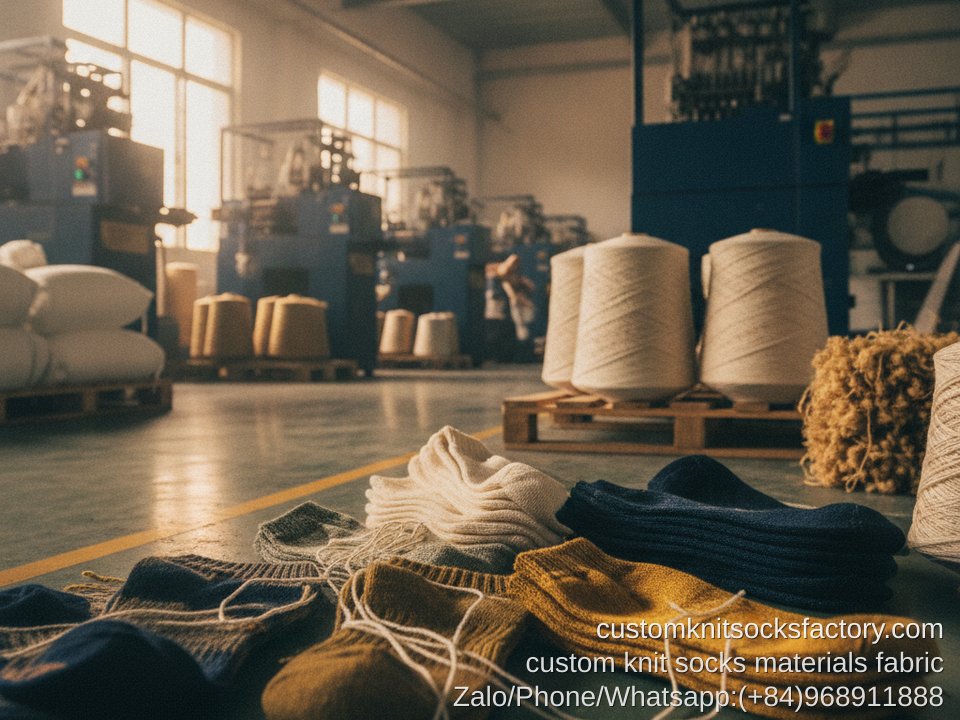
Custom Knit Socks Materials Guide: Cotton, Bamboo, Merino Wool & Synthetic Blends
Selecting the right custom knit socks materials fabric is a critical decision for any brand or business looking to create high-quality, comfortable, and durable socks. As a leading socks manufacturer in Vietnam, Custom Knit Socks Factory, operated by Gold Garment, understands that the choice of material significantly impacts the final product's performance, feel, and overall appeal. This guide will delve into the most popular sock materials, helping you make an informed choice for your next production run.
Our expertise in socks manufacturing Vietnam, backed by over a decade of experience, allows us to offer unparalleled quality and factory-direct pricing. Whether you're a startup or an established brand, understanding the nuances of different fibers is key to achieving your vision. This knowledge is foundational, whether you're considering OEM, ODM, or private label production. We cater to businesses worldwide, with a minimum order quantity (MOQ) of just 100 pieces per style, making custom sock production accessible to a wide range of clients.
The journey from raw fiber to finished sock is complex, as detailed in our guide on How custom knit socks Are Made: The Manufacturing Process Step-by-Step. However, before the knitting machines even begin, the material selection process sets the stage for everything that follows. It dictates breathability, moisture-wicking capabilities, elasticity, and even the environmental footprint of your product. Let's explore the primary options available.
Understanding Your Custom Knit Socks Fabric Options
The world of sock materials is diverse, each offering unique benefits. At Custom Knit Socks Factory, we work with a variety of fibers to meet the specific needs of our clients. Understanding these materials is the first step towards creating a product that resonates with your target audience and performs exceptionally well.
1. Cotton: The Classic All-Rounder
Cotton is arguably the most popular and widely used fiber for socks, and for good reason. It's known for its softness, breathability, and hypoallergenic properties, making it a comfortable choice for everyday wear. As a reliable cotton socks manufacturer, we utilize high-quality cotton to ensure excellent comfort and durability.
- Pros: Soft, breathable, absorbent, natural, generally affordable, good for sensitive skin.
- Cons: Can retain moisture, leading to dampness and potential discomfort in high-activity situations; can shrink if not cared for properly; not as durable as some synthetic blends for intense athletic use.
- Best For: Everyday wear, casual socks, children's socks, brands prioritizing natural fibers and comfort.
2. Bamboo: The Sustainable and Soft Choice
Bamboo fabric has gained significant popularity due to its eco-friendly origins and impressive performance characteristics. Derived from bamboo pulp, it offers a luxurious softness and excellent moisture-wicking abilities. As a dedicated bamboo socks OEM provider, we ensure premium quality in every pair.
- Pros: Exceptionally soft and smooth texture, highly breathable, excellent moisture-wicking and quick-drying properties, naturally antibacterial and odor-resistant, sustainable resource.
- Cons: Can be more expensive than cotton, sometimes requires more delicate washing to maintain its properties, can be less durable than synthetic blends for very strenuous activities.
- Best For: Athleisure wear, sensitive skin, eco-conscious brands, socks requiring superior moisture management and a luxurious feel.
3. Merino Wool: The Performance Powerhouse
Merino wool is a premium natural fiber renowned for its exceptional temperature-regulating, moisture-wicking, and odor-resistant qualities. Unlike traditional wool, merino is incredibly fine and soft, making it comfortable against the skin. We are a trusted merino wool socks supplier, delivering unmatched performance for demanding applications.
- Pros: Superior temperature regulation (keeps you warm in cold and cool in heat), excellent moisture-wicking, naturally odor-resistant, soft and non-itchy, durable, biodegradable.
- Cons: Can be the most expensive option, requires specific care to maintain its integrity and prevent shrinking.
- Best For: Outdoor activities, hiking, skiing, running, travel, and any situation where performance in varying conditions is paramount.
4. Synthetic Blends: Versatility and Durability
Synthetic fibers like polyester, nylon, acrylic, and spandex (elastane) are often blended together and with natural fibers to enhance specific properties such as durability, stretch, and moisture management. These blends offer a high degree of customization for performance and feel.
- Polyester: Durable, quick-drying, retains color well, good for moisture-wicking.
- Nylon: Extremely durable, abrasion-resistant, provides elasticity and shape retention, quick-drying.
- Spandex (Elastane): Adds significant stretch and recovery, ensuring a snug and comfortable fit, crucial for compression socks.
- Acrylic: Offers warmth and a wool-like feel, often more affordable than wool, good for color retention.
Pros: Highly customizable performance, excellent durability and abrasion resistance, superior moisture-wicking and quick-drying capabilities, cost-effective for specific applications, excellent shape retention. Our team can help you navigate the complexities of blends, as demonstrated by a real example from Vietnam sock manufacturer Gold Garment, where specific blend requirements were met for a client's unique needs.
Cons: Can be less breathable than natural fibers, may not feel as luxurious or soft as premium natural materials, environmental concerns regarding microplastic shedding from some synthetics. The specific blend composition is key to maximizing benefits while minimizing drawbacks. For a deeper understanding of sock construction, explore our guide on Custom Sock Knitting Techniques: Jacquard, Terry, Cushion & Compression.
Best For: Athletic socks, performance wear, work socks, socks requiring extreme durability, and brands looking for specific functional attributes. Understanding different sock types, as outlined in our Sock Types Guide: Crew, Ankle, Knee-High, Compression & Athletic Explained, will also help in material selection.
Factors to Consider When Choosing Your Sock Material
Beyond the inherent properties of each fiber, several other factors should influence your material selection for custom knit socks materials fabric. These considerations ensure that the final product aligns with your brand's values and your customers' expectations.
Intended Use and Performance Requirements
The primary purpose of the socks is the most significant factor. Are they for daily office wear, intense athletic training, outdoor adventures, or medical compression? Each use case demands different material properties. For instance, athletic socks require superior moisture-wicking and durability, while casual socks prioritize comfort and softness. Brands often also partner with a 3D embroidered caps manufacturer to create a cohesive branded apparel line, where sock material choice complements the overall collection.
Target Audience and Market Demands
Consider who will be wearing these socks and what they expect. Are they looking for eco-friendly options, luxurious comfort, budget-friendly basics, or high-performance gear? Market research and understanding your customer base are crucial. For example, a brand targeting environmentally conscious consumers might lean towards bamboo or organic cotton, while a performance athletic brand will prioritize advanced synthetic blends or merino wool.
Durability and Longevity
How long do you want the socks to last? Certain materials, like nylon and merino wool, offer superior abrasion resistance and longevity, making them ideal for high-wear applications. Cotton, while comfortable, may not withstand the same level of abuse without showing wear and tear. This relates directly to the manufacturing process and the quality of yarn used, which is a core focus at our factory.
Comfort and Feel
The tactile experience of a sock is paramount. Softness, breathability, and the absence of irritation (like itchiness) are key. Natural fibers like cotton and bamboo generally offer a softer feel, while merino wool provides a fine, non-itchy alternative. Synthetic blends can be engineered for softness but may not always match the natural feel of premium fibers.
Cost and Budget
Material costs vary significantly. Cotton and standard synthetic blends are typically the most budget-friendly. Bamboo and especially merino wool are premium fibers and will command a higher price point. As a factory-direct supplier, we offer competitive pricing, but the raw material cost will always be a primary driver of the final product cost. Understanding your budget is essential when exploring options, especially when considering our flexible contact us for a free quote process.
Care Instructions and Maintenance
Some materials require more specialized care than others. For instance, merino wool often benefits from specific washing instructions to maintain its properties and prevent shrinkage. Cotton is generally easier to care for, while some synthetic blends might have specific drying recommendations. This can influence the end-user experience and should be a consideration for your brand's product care guidelines.
Sustainability and Ethical Sourcing
For many brands today, sustainability is a non-negotiable factor. Materials like organic cotton and bamboo are often favored for their lower environmental impact. At Custom Knit Socks Factory, we are committed to responsible manufacturing practices. Discussing your sustainability goals with us can help identify the best material choices. For more on our operational philosophy, please visit about our factory.
Making the Right Choice for Your Brand
Choosing the right custom knit socks materials fabric is a strategic decision that impacts your product's success. Whether you're aiming for the supreme comfort of cotton, the sustainable luxury of bamboo, the high performance of merino wool, or the versatile functionality of synthetic blends, Custom Knit Socks Factory is equipped to bring your vision to life.
Our commitment to quality, factory-direct pricing, and a low MOQ of 100 pcs per style makes us the ideal partner for businesses of all sizes. We offer a comprehensive range of services to support your custom sock needs, as detailed in our custom knit socks: Complete OEM & Private Label Buyer's Guide. Explore our our product range to see the possibilities and then reach out to discuss your specific project requirements.
Frequently Asked Questions
Q: Which sock material is best for everyday wear?
A: For everyday wear, cotton is an excellent choice due to its comfort, breathability, and affordability. Bamboo blends also offer superior softness and moisture-wicking for a more luxurious feel that is still suitable for daily use.
Q: What is the best material for athletic or performance socks?
A: Athletic socks benefit most from materials that excel in moisture-wicking and durability. Merino wool is superb for temperature regulation and odor control, while synthetic blends (like polyester, nylon, and spandex) offer excellent moisture management, quick drying, and enhanced durability for high-impact activities.
Q: Are bamboo socks truly more sustainable than cotton?
A: Generally, yes. Bamboo can be grown with less water and fewer pesticides than conventional cotton, making it a more sustainable option. However, the processing of bamboo into fabric can vary in its environmental impact, so it's important to look for certified sustainable production methods.
Q: How does the MOQ of 100 pcs affect material choice?
A: A low MOQ like 100 pcs allows you to experiment with various materials without a significant upfront investment. This is particularly beneficial for startups or brands looking to test new product lines. You can explore premium materials like merino wool or specific synthetic blends even with a smaller production run. For more on this, see our guide on Minimum Order Quantity for custom knit socks: A Buyer's Complete Guide.
Partner with Custom Knit Socks Factory to create the perfect custom socks, tailored to your specific material needs and brand vision.
Let us help you craft exceptional custom knit socks that meet your quality and performance expectations.
📩 Request a Free Quote — Response Within 5 Minutes
🌎 Website: customknitsocksfactory.com
Factory-direct pricing · MOQ from 100 pcs/style · Sample development · Worldwide shipping


